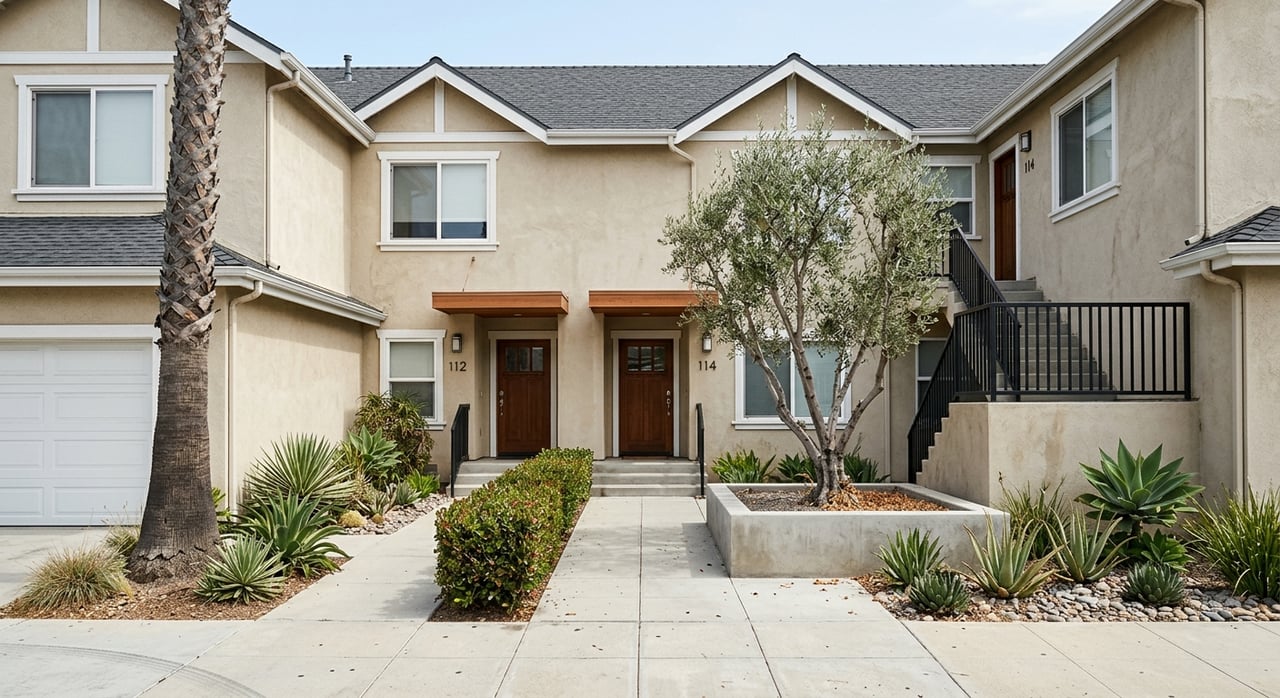
Buying a condo or townhome in Carlsbad can look simple at first glance. Then you realize the monthly cost is more than the list price and mortgage, the HOA rules can affect how you live in the home, and some complexes face financing or permit issues that can change your timeline. If you want to buy with confidence, it helps to know what to compare before you fall in love with a unit. Let’s dive in.
Know the Carlsbad price picture
Carlsbad is not a one-price market, especially for attached homes. Location matters, and the difference between coastal and inland areas can be significant.
Recent zip code snapshots from Redfin market data show all-home median values in early 2026 at about $1.774M in 92008, $1.71M in 92011, $1.4M in 92009, and $1.299M in 92010. These are not condo-only numbers, but they help frame how pricing often shifts by area.
Attached-home listings also show a wide spread across Carlsbad. Current examples range from roughly the $500,000s for some condos to well above $1 million in Village, beach, and amenity-rich communities. That is why your search should focus on the exact complex, monthly dues, and ownership structure, not just the citywide median.
Understand condo vs townhome labels
In Carlsbad, the marketing label does not always tell you how the property is legally structured. A multistory townhome may share walls, or it may be detached, while the ownership form can still be a condo or another common-interest development.
According to Fannie Mae’s condo buying guide, the legal structure matters more than the label when it comes to maintenance responsibilities, insurance, and financing. Before you make assumptions, confirm exactly what you are buying.
Review HOA documents early
For condos and townhomes, the HOA package is one of the most important parts of your due diligence. In California, sellers must provide governing documents, budget and reserve materials, current assessments, unpaid obligations, unresolved violation notices, defect disclosures, inspection information, and rental restrictions under California Civil Code Section 4525.
This packet tells you how the community operates and whether there may be financial or lifestyle issues you need to know before closing. It can also reveal future costs that are not obvious from the listing.
What to look for in the HOA packet
As you review the documents, pay close attention to:
- Monthly HOA dues
- What the dues actually cover
- Reserve funding levels
- Current or planned special assessments
- Rules on rentals
- Parking assignments and guest parking rules
- Violation history tied to the unit
- Any defect, inspection, or repair disclosures
If the answers are unclear, ask for clarification before removing contingencies.
Budget beyond the mortgage
One of the biggest mistakes buyers make is treating HOA dues like a small side cost. They are not part of your mortgage payment, but they still affect what you can comfortably afford each month.
The Consumer Financial Protection Bureau notes that condo and HOA fees are usually paid directly to the association, not through the mortgage. Fannie Mae also points out that these costs can materially change your true monthly housing expense.
In current Carlsbad examples, HOA dues range widely, from around $200 to more than $1,300 per month. Some communities cover only common-area maintenance, while others may include water, sewer, trash, roof maintenance, termite work, hot water, limited insurance, security, or other amenities.
Compare the full monthly cost
Before you make an offer, line up the real monthly picture:
- Principal and interest
- Property taxes
- HOA dues
- Homeowners insurance or condo interior coverage
- Utilities not included in dues
- Any district charges or assessments on the tax bill
That last item matters in Carlsbad. Property taxes may include more than the base tax rate, including community facilities districts, lighting and landscaping districts, and benefit assessment districts.
Ask about reserves and special assessments
Low dues are not always a bargain. If an HOA has not set aside enough money for future repairs, owners may face special assessments later.
Fannie Mae’s guidance notes that part of HOA dues should support reserves, and special assessments may be used for major repairs, unexpected damage, or reserve shortfalls. A community with healthy reserves may offer more predictability than one with lower dues but weak financial planning.
Ask how large the reserve fund is, whether the association has upcoming capital projects, and whether owners are already discussing new assessments.
Check financing eligibility before you commit
With condos and some townhome projects, your lender is evaluating more than you. The project itself may also need to meet financing guidelines.
Fannie Mae says condo review can include the building’s physical condition, financial stability, structural issues, lawsuits, evacuation orders, and required inspections. HUD guidance referenced in the research also notes that FHA financing generally requires an approved project or, in some cases, single-unit approval in an eligible project.
Certain issues can block conventional financing. According to Fannie Mae’s ineligible project criteria, critical repairs, inadequate master insurance, litigation related to structural or safety concerns, or hotel-style operations may create problems.
Financing questions to ask upfront
Before you get too far into escrow, ask:
- Is this project eligible for conventional financing?
- Is FHA financing possible here?
- Are there pending repairs or structural issues?
- Is there litigation involving safety or building condition?
- Does the HOA carry adequate master insurance?
These questions can help you avoid losing time on a project that may not fit your loan options.
Confirm the insurance setup
Insurance is another area where attached homes can surprise buyers. The HOA usually carries a master policy, but that does not automatically mean everything inside your unit is covered.
Fannie Mae’s condo guide recommends confirming whether the master policy covers replacement cost and whether it insures only common elements or also parts of the unit interior. The CFPB notes that condo owners often still need separate coverage for the unit and personal belongings.
A quick review now can help you avoid expensive gaps later.
Compare coastal and inland Carlsbad carefully
Carlsbad buyers often choose between coastal convenience and inland space or amenities. Neither is automatically better. The key is understanding what matters most to your lifestyle and budget.
Coastal and Village-area communities may offer walkability, beach access, and compact living patterns, while inland communities may offer different recreation packages or a different price point. Current listing examples in the research show that both HOA costs and amenities can vary widely depending on the complex.
Parking matters near the coast
In and around the Village, parking deserves extra attention. The city’s Village and Barrio Master Plan ties parking to a compact, walkable downtown environment.
That means you should verify whether the unit comes with assigned spaces, a private garage, storage, guest parking, or street-parking limitations. In some coastal locations, parking convenience can have a bigger impact on daily life than buyers expect.
Coastal zone rules may affect future changes
Carlsbad’s coastal zone covers about 37% of the city, and some homes are subject to special development standards and permit review. The city’s coastal zone development information explains that buyers can check whether a property is in the coastal zone and which agency has permit authority.
That is important if you hope to make future exterior changes, such as modifying balconies, patios, windows, or other outside features. If a unit is in the coastal zone, your future plans may require additional review.
Ask practical questions before offering
A condo or townhome purchase usually goes more smoothly when you ask targeted questions early. Small details can affect cost, financing, and how you use the property day to day.
Here are some of the most useful questions to ask before writing an offer:
- What is included in the HOA fee?
- Are there current or planned special assessments?
- How well funded are reserves?
- Are pets allowed, and what specific rules apply?
- Are there rental restrictions?
- Is parking assigned, deeded, garage-based, or first come first served?
- Is the project eligible for Fannie Mae or FHA-style financing review?
- Is the property located in Carlsbad’s coastal zone?
Know the pet and rental rules
Many buyers assume an HOA can simply ban pets across the board, but California law places limits on that. Under California Civil Code Section 4715, an HOA generally cannot prohibit at least one pet in a common interest development, subject to reasonable rules.
That said, the details still matter. Communities may have rules about pet count, size, leash requirements, or other restrictions, so it is smart to confirm the exact policy in writing. Rental rules should get the same level of attention, especially if you want future flexibility.
A smart Carlsbad buying strategy
The best condo and townhome buyers in Carlsbad do not just compare bedrooms, finishes, and list price. They compare the project’s financial health, monthly dues, financing eligibility, insurance setup, parking, and whether coastal-zone rules may affect future plans.
When you take that wider view, you can make a cleaner decision and reduce the odds of surprises during escrow or after closing. If you want local guidance on how different Carlsbad communities compare, Pagni Real Estate offers founder-led, hands-on support to help you evaluate options and move forward with confidence.
FAQs
What should you review before buying a condo in Carlsbad?
- Review the HOA documents, monthly dues, reserve funding, special assessments, parking rules, rental restrictions, insurance setup, and whether the project meets financing guidelines.
How much are HOA dues for Carlsbad condos and townhomes?
- Current examples in the research range from about $200 to more than $1,300 per month, depending on location, amenities, building age, and what the dues cover.
Do Carlsbad condo HOA fees include property taxes?
- No. Property taxes are separate from HOA dues, and Carlsbad tax bills may also include district charges or assessments beyond the base tax.
Can HOA rules affect financing for a Carlsbad condo?
- Yes. Lenders may review the entire project for issues such as insurance, litigation, structural concerns, financial stability, and repair conditions.
Why does the coastal zone matter when buying in Carlsbad?
- If a property is in the coastal zone, future exterior changes may be subject to special development standards and permit review, so it is worth confirming before you buy.
Are pets allowed in Carlsbad condo communities?
- Often yes, but the specific rules vary by HOA. California law limits blanket no-pet restrictions, yet communities may still have reasonable pet rules you should review carefully.